Mental Well-being: Tips from Heart Disease and Stroke Survivors

For women like Dipika, life is a constant balancing act: jobs, social plans, grocery shopping, appointments, chores, managing finances and more. To-do lists can often seem endless. But what about physical activity? Healthy meal planning? Meditating? Getting enough sleep? Do any of those make it on your daily checklists?
It’s important that your wellness — which includes your physical and mental health — not only be on your to-do list but also is a top priority. Poor mental health can contribute to the risk of heart disease and can be associated with unhealthy behaviors such as smoking, being physically inactive and not eating well.
Overall wellness can contribute to a healthier, happier and more fulfilling life. Learn how women who survived cardiovascular disease prioritize their mental well-being.
Move More, Stress Less

Shemellar Davis
Postpartum Cardiomyopathy Survivor
“I enjoy taking long walks around my neighborhood while listening to music. My favorite genre of music is R&B, especially the 90s. This soothes me and allows me to think logically.”

Margarita Pineiro
SCAD Heart Attack Survivor
“Intentional physical movement has become a way to keep my heart healthy, but it also has allowed me to disconnect and reset. Through this process, its showed me the benefits its had on my mental health.”
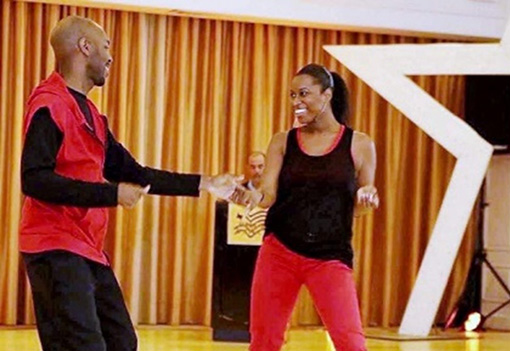
Sharell Weeams
Heart Attack and Cardiac Arrest Survivor
“Mental well-being can mean the difference between self-care and self-destruction…especially when it comes to caring for our health and our heart. Dancing helps me release stress, get exercise, express myself and feel extreme joy all at the same time. It’s my ultimate form of mental well-being.”
Habits that Recenter

Jia Wu
Transient Ischemic Attack Survivor
“I enjoy going for a hike or run to clear my mind while getting in some exercise.”

Dawn Turnage
Transient Ischemic Attack Survivor
“Planting trees and gardening allows me to combine my new joy of physical activity with social interaction.”

Kenya Robinson
Stroke Survivor
“I stretch as a wind down before bed with quiet meditation, sometimes in my hammock. For me, being upside down gets me in a rest and digest mode.”
Finding Peace

Tania Saiz
Stroke Survivor
“After a stroke, mindfulness helped me rebuild trust in my body and care for my well-being, one moment at a time. I've learned it isn’t about perfection or silence—it’s about presence. Even in small daily tasks, choosing to be aware nurtures my health, clarity and resilience.”

Melissa Ziebell
Sudden Cardiac Arrest Survivor
“When I surf and I’m in the lineup, it is only the greatness of the sea and I sitting on my board. I can stand by only to hear the sound of the waves and see birds, dolphins and other fish passing by all around me. I can also enjoy beautiful sunsets. It’s a quiet moment to be grateful for my second life, for being able to exercise without limits and enjoy our beautiful home, Earth. With all its colors, sounds and nature.”

Dina Pinelli
Sobreviviente de ataque cardiaco
“Practicar la meditación de conciencia plena y el yoga me ayuda a estabilizar la mente y me permite sintonizar con la sensación en mi cuerpo que me mantiene concentrada solo en la respiración en este momento del presente. Cuando el mundo a mi alrededor gira y las cosas se sienten fuera de control, recuerdo que debo pausar, conectarme con el corazón y permitir que la respiración me fluya suavemente, liberando ansiedad y preocupación y restaurando la fuerza y paz”.
Connecting with Yourself and Others

Molly McGuire
Preeclampsia and HELLP Syndrome Survivor
“I love spending time with all my pets! The unconditional love and companionship my pets provide helps alleviate feelings of loneliness and anxiety.”

Rajini Poth
Stroke Survivor
“Music is medicine for my mental well-being. Attending concerts where everyone is singing, dancing and having a great time reduces stress and raises positive emotions for me. It gives a sense of connectivity and belonging.”

Mary Wiley
Sudden Cardiac Arrest Survivor
“While I had healed everything on the surface after my sudden cardiac arrest, I struggled with the feeling that something was still broken. My mental health was that part of me that wasn’t quite healed. Only after intentionally and continuously investing in my own mental health can I say that my heart is truly whole. I had to accept what happened to me as a part of my story. I had to change the narrative for myself and for others. I had to accept it as a beautiful gift, a second chance at life and an opportunity to change the outcome for others.”