Understanding Your Risk for Heart Disease and Stroke
Protecting your health starts with knowing your risk factors.

Cardiovascular disease the leading cause of death for women, yet many women do not realize they are at risk. Knowing your personal risk factors is a critical first step in protecting your heart health. Understanding your risk can allow you to take preventive action and make informed health decisions. Always work with your healthcare professional to develop a plan that supports both your immediate and long-term health.
What Are Risk Factors for Heart Disease and Stroke You Can and Can't Control?
Some risk factors you can't do anything about, but others you can treat or control. Those you can’t change, like your family history, are still important when assessing your risk for heart disease and stroke.
Risk Factors You Can Control
You can manage these risk factors with help from your healthcare professional:
- High blood pressure
- High cholesterol
- Obesity or overweight
- Diabetes
- Smoking
- Physical inactivity
- Unhealthy diet
- Poor sleep habits
Risk Factors You Can't Control
You can't change these risk factors, but it’s important to still discuss them with your healthcare professional:
- Age
- Sex
- Race and ethnicity
- Family health history
- Previous history of cardiovascular conditions like heart attack or stroke
What Do Women Need to Know about Risk Factors for Heart Disease and Stroke?
Know Your Risk for Cardiovascular Disease in Women

Early detection, screening and treatment of heart disease and stroke risk factors can help you live a longer, healthier life.
High Blood Pressure and Women

Untreated high blood pressure, also called hypertension, can lead to many health problems, including heart attack and stroke.
Cholesterol and Women

Cholesterol is a waxy substance found throughout your body. When cholesterol is too high, it can put you at a higher risk of heart disease or stroke.
Weight and Heart Disease in Women

The risk for heart disease issues goes up when we carry too much weight, especially in the waist.
Diabetes and Heart Disease
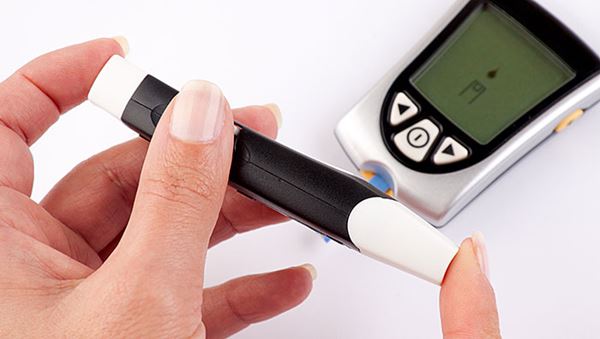
Diabetes results when the body doesn’t produce enough insulin or develops insulin resistance. This causes blood glucose levels to rise. If left untreated, diabetes can lead to a host of health complications.
Smoking and Heart Disease in Women

Smoking increases your risk for heart disease and stroke as well as can cause irritability, impatience, hostility, anxiety and depression. Stopping smoking can significantly improve your health.
Risk Factors for Heart Disease and Stroke Can Change Throughout Life
As you age and change, your personal risk factors can change or look different. Unique life stages like pregnancy and menopause can also affect your risk. The good news? There are opportunities at every age to protect and strengthen your heart.
Stages of Life

We’re advancing research, improving care across the life course, expanding access and delivering trusted guidance where women already are. Together, these efforts are redefining what women can expect from healthcare.
Pregnancy

Heart disease is the No. 1 killer of new moms. It can pose a threat to women’s heart health during pregnancy and later in life.
Menopause

Prioritizing your health is important before and after menopause. Learn about menopause, its symptoms and its impact on your health.
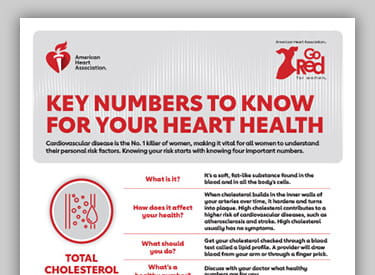
Key Numbers to Know for Your Heart Health Infographic
What is cholesterol? How does blood pressure affect your health? How do you get your blood sugar checked? What should you do to track and manage your BMI? We have the answers to these questions and more.
Life's Essential 8 for Women
Different life stages like pregnancy, motherhood and menopause can increase the risk of heart disease and stroke in women. The American Heart Association’s Life’s Essential 8 are the key measures for improving and maintaining cardiovascular health – and ultimately reducing risk. We have a version with women’s unique health needs in mind.