Snoring and Obstructive Sleep Apnea: What's the Difference?
Quick Facts
- Snoring and obstructive sleep apnea are not the same thing.
- Obstructive sleep apnea happens when breathing is repeatedly interrupted during sleep.
Loud snoring plus other symptoms may signal obstructive sleep apnea and should be discussed with a healthcare professional.
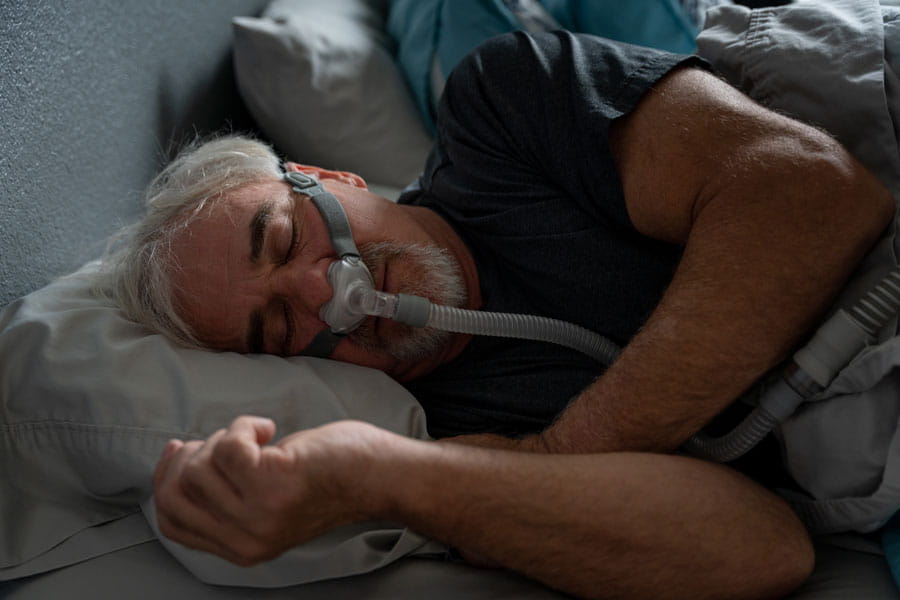
Snoring is common
Snoring is common, but not everyone who snores has obstructive sleep apnea. Obstructive sleep apnea involves repeated pauses in breathing during sleep.
Snoring happens when air moves through the airway and causes nearby tissues to vibrate during sleep.
Snoring may be associated with:
- Sleeping position
- Nasal congestion
- Drinking alcohol
- Excess weight
- Airway structure
Obstructive sleep apnea is more than snoring
Obstructive sleep apnea (OSA) happens when the airway becomes blocked and breathing repeatedly stops during sleep.
Unlike snoring alone, OSA may affect sleep quality, oxygen levels and overall health.
When snoring may be a sign of obstructive sleep apnea
Snoring may be a sign of OSA when it happens along with other symptoms, including:
- Loud or chronic snoring
- Observed pauses in breathing
- Gasping or choking during sleep
- Feeling very sleepy during the day
- Morning headaches
- Trouble concentrating
Frequently Asked Questions
Can obstructive sleep apnea happen without snoring?
Yes. Many people with OSA snore, but it can happen without snoring.
Is loud snoring always obstructive sleep apnea?
No. Snoring alone does not mean you have OSA. Talk with a healthcare professional if you are concerned about your snoring.


