Exercise and Physical Activity
Join Healthy for Good™

Everyday Moves to Get You Started
How much physical activity do you need?

How do I to start exercising?
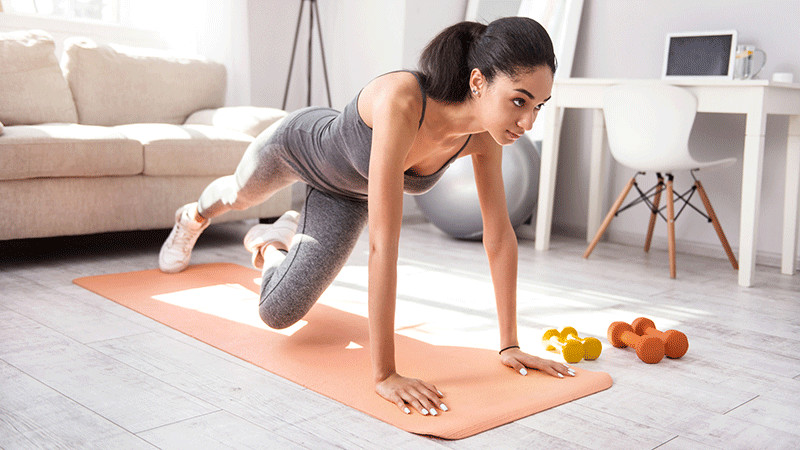
If you’re new to exercise, you might be wondering how to get begin. Getting started with physical activity doesn’t have to be complicated. Building movement into your daily routine, walking, swimming or biking can all support heart health. Many people find it helpful to start slowly and gradually work up to about 30 minutes of activity on most days. But even short bursts count. Choose activities you enjoy, wear comfortable shoes and clothing and listen to your body. Missing a day is okay. What matters most is finding a rhythm that works for you. Tracking your progress and celebrating milestones can help you stay motivated and make exercise a long-term habit.
Many adults find benefits from aiming for:
- At least 150 minutes per week of moderate-intensity aerobic activity, or 75 minutes per week of vigorous aerobic activity, or a combination of both, preferably spread throughout the week.
- Moderate to high-intensity muscle strength training (such as resistance or weights) at least 2 days per week.
- Spending less time sitting and adding light movement when possible.
- Gradually increasing time and intensity as your body feels ready.
- Being physically active to help release stress and support overall well-being.
Simple Ways to Move More
Building a consistent activity routine doesn’t have to be overwhelming. These practical guides and infographics offer easy tips to help you get started, stay motivated and fit more movement into your busy day anytime, anywhere. Explore the resources below to make daily activity feel more doable, and more enjoyable.
What are the different types of exercise?
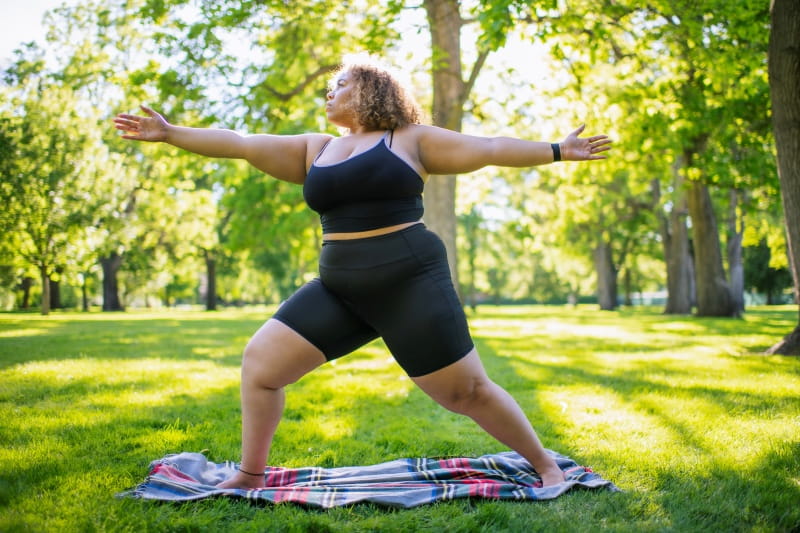
Ideally, a healthy workout routine would include flexibility, strength, balance and endurance. Doing a variety of activities helps to keep the body fit and healthy and makes exercise interesting. Many different types of physical activity can improve strength, endurance, flexibility and balance.
Flexibility
Stretching can help your muscles feel loose and support easier movement. While these exercises may not improve your endurance or strength on their own, being flexible can make daily activities and other forms of movement feel more comfortable.
Strength and Resistance Training
Simple, weight-bearing exercises that use free weights, machines or your body’s own resistance can help build strength and endurance. You can do these workouts separately from your cardio activity or add resistance to an existing workout. Choose the time and type of activity that works for you.
Balance
You can improve your balance through activities like yoga or lower-body strength-training.
Endurance Exercise
Also called aerobic or cardio exercise, endurance exercise includes activities that increase your breathing and heart rate such as walking, jogging, swimming, biking and jumping rope.
Don't Forget the Warm-up
A good warm-up before a workout widens your blood vessels, ensuring that your muscles are well supplied with oxygen. It also raises your muscles’ temperature to help with flexibility and efficiency. By slowly raising your heart rate, the warm-up also helps minimize stress on your heart.
A warm-up can help prepare your muscles, gently raise your heart rate and reduce the chance of injury. Even a few minutes of light movement can make a difference.

Is Walking Good Exercise?
Walking is one of the simplest ways many people choose to be active. For most people, it’s safe, easy to stick with and low- or no-cost. It doesn’t require any special skills or equipment. For such a simple activity, it has so many benefits.
How much walking is good exercise?
Walking is among the most popular forms of exercise, and it’s good for you. Research has shown that walking can boost your heart and brain health and lower your chances of heart disease. You might be wondering how much you need to walk to get heart health benefits. Walking at a brisk pace for about 150 minutes each week can help you think better, sleep better and feel better overall. Those minutes can be spread throughout the week in ways that fit your schedule. Even short walks count. This could be 10 minutes of brisk walking after breakfast, lunch and dinner.
Discover the Power of Walking for a Healthier, Happier You
Walking is one of the easiest and most effective ways to boost your health, anytime and anywhere. Whether you're exploring the benefits of walking, learning how to fit it into your day or looking for inspiration to reduce stress and enjoy movement, these resources have you covered. Dive into articles and short videos that show how every step supports your wellbeing and helps you move with more purpose, joy and confidence.
How to build good exercise habits?
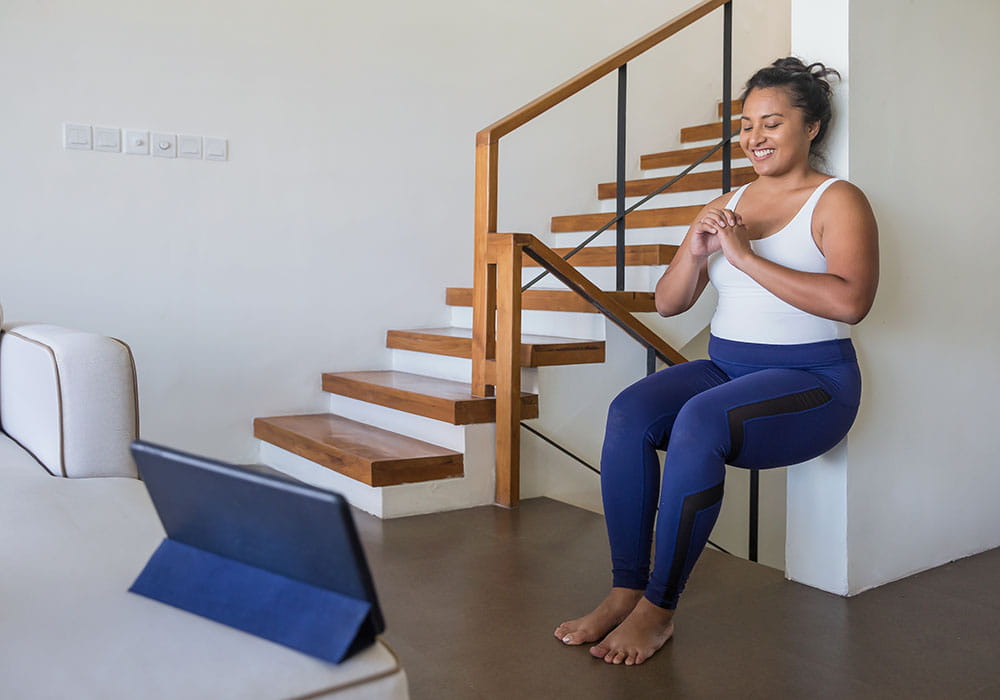
Every journey begins with just one step. Getting and staying healthy often starts with small, repeatable steps. You don’t have to change everything at once. Adding one positive action at a time can create momentum.
Try these tips to get active and stay active.
Choose the right kind of movement.
Lots of physical activities are good for you. You can choose something you enjoy and can repeat easily.
Start small. Small steps are often easier to repeat and build on.
Set goals that feel realistic and encouraging. Instead of a two-hour hike, you might start with a 20-minute walk.
Choose a cue that works for you.
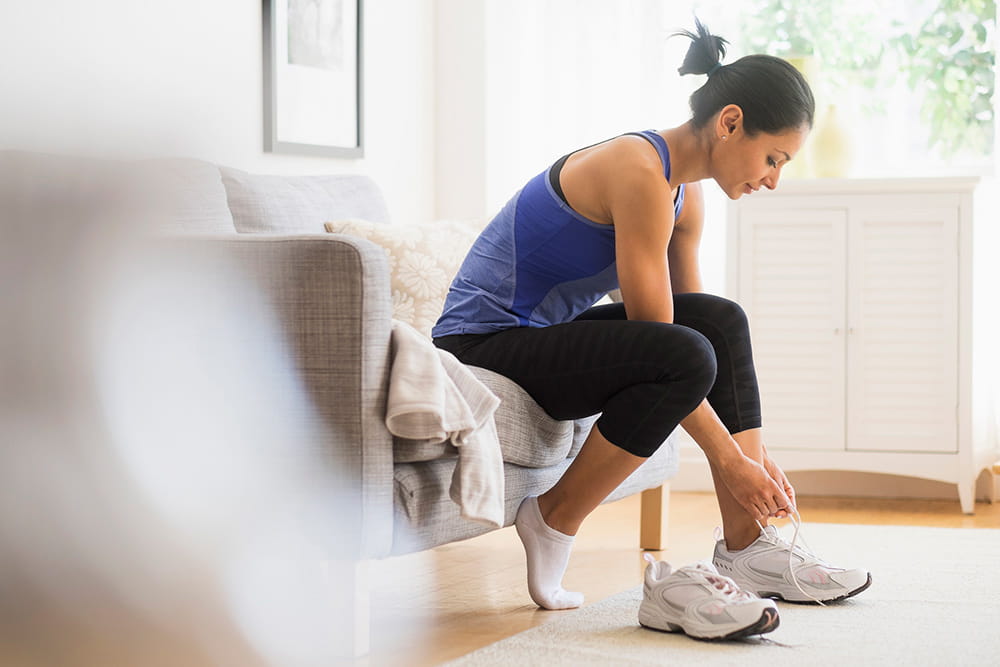
A cue is anything that helps you remember your movement habit. You might put your sneakers by the door or your hand weights near your computer to remind yourself to move.
Find ways to make movement rewarding.
Have fun while you move. Invite a friend, listen to music or treat yourself to a refreshing drink or healthy snack after. Choose a reminder that works for you.
What Is a normal heart rate?
For many adults, a resting heart rate between 60 and 100 beats per minute is considered typical. Your resting heart rate is the number of times your heart beats per minute when you’re at rest. A good time to check it is in the morning after you’ve had a good night’s sleep, before you get out of bed or grab that first cup of coffee.
What should my heart rate be while exercising?
This table shows target heart rate zones for different ages. Your maximum heart rate is about 220 minus your age.
In the age category closest to yours, read across to find your target heart rates. Target heart rate during moderate-intensity activities is about 50-70% of maximum heart rate. During vigorous physical activity, it’s about 70-85% of maximum.
These numbers are averages and can be used as a general guide. Your ideal range may vary, so consider them a starting point rather than a rule.
| Target Heart Rates Chart | ||
|---|---|---|
| Age | Target HR Zone 50-85% | Age-predicted Maximum Heart Rate |
| 20 years | 100-170 beats per minute (bpm) | 200 bpm |
| 30 years | 95-162 bpm | 190 bpm |
| 35 years | 93-157 bpm | 185 bpm |
| 40 years | 90-153 bpm | 180 bpm |
| 45 years | 88-149 bpm | 175 bpm |
| 50 years | 85-145 bpm | 170 bpm |
| 55 years | 83-140 bpm | 165 bpm |
| 60 years | 80-136 bpm | 160 bpm |
| 65 years | 78-132 bpm | 155 bpm |
| 70 years | 75-128 bpm | 150 bpm |
How do I check my heart rate?
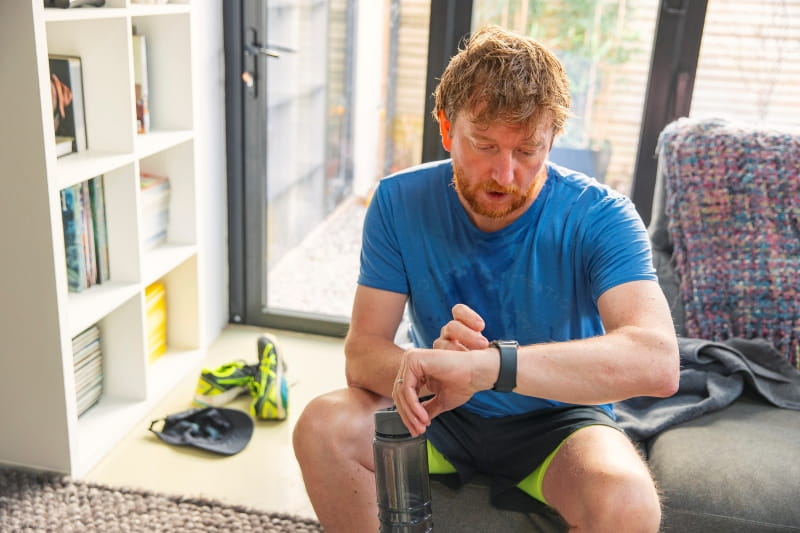
Now that you have a target, you can monitor your heart rate to make sure you’re in the zone. As you exercise, periodically check your heart rate. A wearable activity tracker makes it super easy, but if you don’t use one, you can also find it manually.
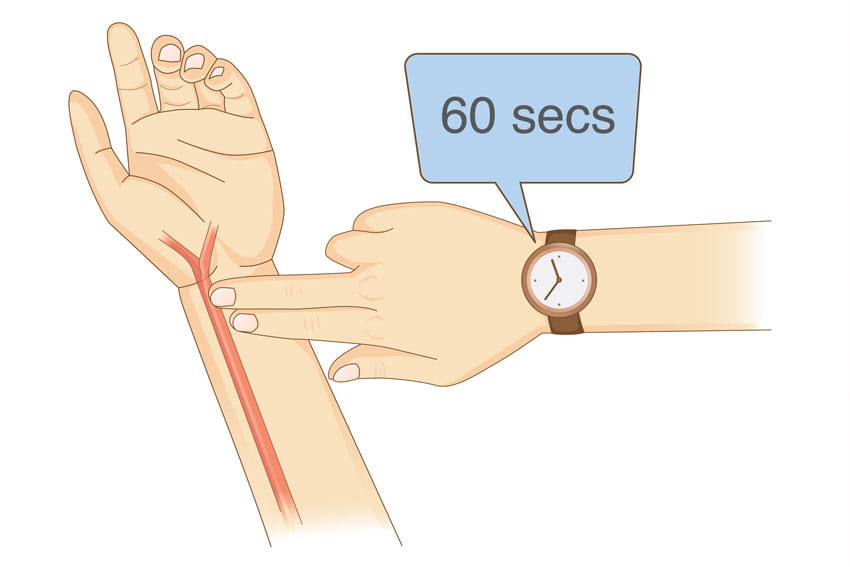
To get the most accurate heart rate reading on your wrist:
- Locate the artery on the inner wrist of either arm. Lightly place your index and middle fingers on the artery. You should feel each beat against your fingers.
- Count the number of beats in 60 seconds
Try the 10-Minute Home Workout!
Boost your heart rate and brain power with this quick home workout.
Do each exercise at your own pace for about 30 seconds with 30 seconds of cardio between exercises.
Tips for success:
- Weight(s) can be small dumbbells, kettlebells or anything heavy you may have at home, like a purse, water bottle or gallon jug, backpack or book. Or make your own adjustable weight by loading a small tote bag with magazines or books.
- Stabilize yourself as needed by holding or touching a wall, desk or stationary (non-rolling, non-slip) chair. As you get stronger, test your balance by letting go of the support.
- In standing exercises, keep your knees slightly bent, not locked back.
- If you feel pain during an exercise, stop and skip to the next one.
*Please speak with your health provider before starting an exercise program and with a fitness professional for adaptations that best meet your individual needs.
{{ formCtrl.response.ResponseTitle }}
{{ formCtrl.response.ResponseTitle }}
{{ formCtrl.response.ResponseTitle }}
{{ formCtrl.response.ResponseTitle }}
{{ formCtrl.response.ResponseTitle }}
{{ formCtrl.response.ResponseTitle }}
{{ formCtrl.response.ResponseTitle }}
{{ formCtrl.response.ResponseTitle }}
{{ formCtrl.response.ResponseTitle }}
{{ formCtrl.response.ResponseTitle }}
Great job! See how easy it is to fit in a workout?
Whether you did all of the exercises or not, any physical activity is better than no activity.
Tips for next time!
- On each exercise, try the intense version if you're feeling it, or drop back to the beginner version if you’re struggling.
- Build your strength and stamina by doing more reps or adding more weight.
- Remember to go at your own pace and listen to your body.
Share this workout with friends and family so everyone can #MoveMore and be #HealthyForGood!

My Life Check® Can Help

Walk to Save Lives
Healthy for Good™ Sponsors and Supporters