Take Charge of Your Health

My Life Check®
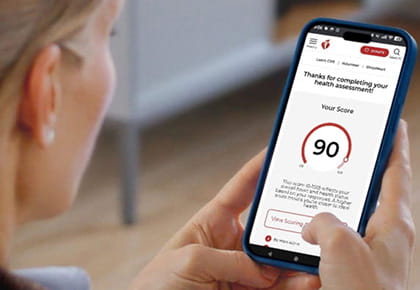
Now that you know about Life’s Essential 8, use My Life Check, an online tool to assess your own heart health and better understand your risk for heart disease and stroke.
Health Topics

Learn the facts about heart conditions and stroke so you can increase your confidence in making changes to improve and maintain your health.
Healthy Tips, Twice a Month

Subscribe to our Healthy for Good newsletter with delicious recipes, tips and more, delivered to your inbox twice a month.
Datos de interés sobre la nicotina y la salud
- La nicotina es adictiva y puede dañar al corazón, el cerebro y los pulmones. Los adolescentes son más vulnerables a los efectos de la nicotina al tener el cerebro en desarrollo.
- La mayoría de las personas que usan nicotina quieren dejarlo, y hay ayuda disponible para apoyarlos.
- Dejar de consumir la nicotina reduce el riesgo de enfermedades cardiacas y de ataque o derrame cerebral, y las políticas públicas creadas a base de la ciencia pueden ayudar a reducir su consumo y prevenir la adicción.
- Dejar de consumir la nicotina reduce el riesgo de enfermedades cardiacas y de ataque o derrame cerebral, y las políticas públicas creadas a base de la ciencia pueden ayudar a reducir su consumo y prevenir la adicción.
It’s never too early — or too late — to focus on prevention.
How can I prevent heart disease?
- You can help lower your risk of heart disease and heart attack with regular checkups and healthy habits. Your healthcare team can help you decide where to start.
- Know your blood pressure, cholesterol and blood sugar levels. These numbers can reveal your risk before you have symptoms.
- Avoid tobacco. Nicotine and tobacco can raise blood pressure, increase heart rate and damage blood vessels.
- Move more. Adults should get a at least 150 minutes of moderate activity or 75 minutes of vigorous activity per week. A mix of both counts, too.
- Choose nutritious foods. Enjoy vegetables, fruits, whole grains, beans, nuts and lean proteins.
- Get enough sleep. Most adults need 7 to 9 hours of sleep each night.
- Work toward a healthy weight. A healthy weight can support your heart health, kidney health, blood pressure and blood sugar.
- No plan removes all risk, but healthy steps can improve your chances of staying healthy.
-
Learn more at My Life Check Heart Health Score or Healthy for Good
Can you have health problems and not know it?
- Yes. Some risk factors for heart disease and stroke can go unnoticed. They often cause no symptoms, so you can feel fine and still be at risk.
- These risk factors can include:
- High blood pressure
- High cholesterol
- High blood sugar
- Regular checkups, screenings and blood tests can help find these problems early. Your results can help you and your healthcare team choose next steps, from healthy lifestyle changes to monitoring or treatment.
- If you have new or worrying symptoms, get medical care right away. Your numbers alone can’t tell the whole story.
- Learn more at Know Your Numbers, Blood Pressure and Blood Lipids
What affects heart health the most?
- No single factor is most important for everyone. Your heart, kidneys and metabolic health are connected. Metabolic health is how the body makes, stores and uses energy.
- These can all affect your heart health over time:
- Blood pressure
- Cholesterol
- Blood sugar
- Kidney health
- Smoking and other tobacco use
- Physical activity
- What you eat
- Sleep
- Weight
- Your age, family history and other health conditions matter, too.
- Looking at the full picture can help you and your healthcare team decide where to start. Your preferences and what matters most to you also count.
- Learn more about the connection between your heart, brain, kidneys and metabolic health.
How do I know if my heart is healthy?
- There is no single sign that tells you your heart is healthy. You can feel well and still have risk factors, such as high blood pressure or high cholesterol, that cause no symptoms.
- The best way to know is to:
- Get regular checkups.
- Keep track of your blood pressure, cholesterol and blood sugar.
- Look at your daily habits, such as physical activity, sleep, what you eat and tobacco use.
- Learn more about your health score at My Life Check.
Can pregnancy affect my future heart health?
- Yes. Some problems during pregnancy can raise your risk of heart disease later in life. These include:
- High blood pressure during pregnancy
- Preeclampsia
- Gestational diabetes
- Preterm delivery (birth before 37 weeks)
- Other pregnancy complications
- If you have had any of these, tell your healthcare team. It can help you talk about your long-term risk, what checkups you may need and how to protect your health.
- Pregnancy history is only one part of your overall health picture. It does not decide your future.
- Learn more at Pregnancy and Maternal Health.
What health numbers should I know?
- These numbers can tell you a lot about your health:
- Blood pressure
- Cholesterol
- Blood sugar
- Weight and waist size
- Kidney health, for some people
- A healthy weight and waist size can reveal your risk for long-term health problems. Your other numbers add more detail.
- Healthy goals depend on your age, sex, race and ethnicity, family history and medical history. Ask your healthcare team which numbers matter most for you and how often to check them.
- Learn more at:
What are the risk factors for heart disease and stroke?
A risk factor is something that can raise your chances of heart disease or stroke. Some risk factors you can’t change, such as:
- Age
- Family history
- Genes
Many others you can often improve or manage, such as:
- Excess weight, especially around the waist
- High blood pressure
- High cholesterol
- High blood sugar
- Tobacco use
- Not being physically active
- Poor sleep
- Unhealthy eating
Kidney disease and problems during pregnancy can also raise your risk.
Knowing your risk factors can help you and your healthcare team choose steps to protect your health over time.
Learn more about risk factors:
- Risk Factors in Women
- Stroke Risk Factors
- Understand Your Risks to Prevent a Heart Attack
- Know Your Risk Factors for High Blood Pressure
- Diabetes Risk Factors
Does heart disease run in families?
Yes. Heart disease can run in families. Learning about your family health history is an important part of prevention.
Ask relatives if they have had:
- Heart disease
- Stroke
- High blood pressure
- High cholesterol
- Diabetes
Find out how old they were when problems began. Then share what you learn with your healthcare team.
Family history does not decide your future. Healthy habits, regular checkups and treating other health problems can still help lower your risk.
Learn more at Family History, Heart Disease and Stroke.
Find support for your family at Patient and Caregiver Support and Services.
How does my health care team determine my risk?
Heart disease and stroke often develop over many years, sometimes before symptoms appear. Your healthcare team looks at your whole health, not just one number. They may look at your:
- Weight and waist size
- Blood pressure, cholesterol and blood sugar
- Kidney health
- Habits, such as tobacco use, physical activity and sleep
- Family and pregnancy history
Age, sex, race and ethnicity
Together, these show your risk and help you and your healthcare team make a plan that works for you.
For some adults ages 30 to 79 who do not have cardiovascular disease, healthcare professionals can use the American Heart Association PREVENT™ (Predicting Risk of Cardiovascular Disease Events) calculator. It estimates your chance of heart attack, stroke and heart failure over the next 10 years. For some adults, it also looks 30 years ahead.
PREVENT is meant to support the conversation with your healthcare team, not replace it. Your score is one part of that conversation, along with your medical history, preferences, family history, symptoms and goals.
Explore: Learn more about the PREVENT Risk™ Assessment
How can I improve my heart health?
Pick one or two changes that fit your life. You could:
- Move more
- Improve what you eat
- Get better sleep
- Work toward a healthy weight
- Quit tobacco
Keep track of your blood pressure, cholesterol and blood sugar. Some people also need to check their kidney health.
Working with your healthcare team to treat risk factors early can help prevent or delay heart disease, stroke and other long-term health problems. Even small changes can add up over time.
- Learn more at Healthy Habits and How to Help Prevent Heart Disease At Any Age.
Is it ever too late to improve heart health?
People of all ages can take steps to support their heart health. Improving health behaviors and managing cardiovascular risk factors can provide benefits at many stages of life. Moving more, improving food choices, stopping tobacco use, getting better sleep and managing health conditions can be worthwhile. Ask your health care team about a plan that fits your goals, preferences, abilities, medicines and medical history rather than age alone. Focus on progress and quality of life rather than changing everything at once; appropriate steps can support quality of life and help reduce future health risks.
No. Taking steps to improve your heart health can help at almost any age. Healthy habits and the right treatment can help you feel better, stay independent, manage health conditions you already have and lower your risk of heart disease and stroke.
It doesn’t matter if you are trying to prevent heart disease or already live with a heart condition. You can make a difference by:
- Being more physically active
- Choosing nutritious foods
- Getting good sleep
- Maintaining a healthy weight
- Avoiding tobacco
- Managing your blood pressure, cholesterol and blood sugar
Don’t try to change everything at once. Pick changes you can stick with. Your healthcare team can help you set goals that fit your age, health, medications, abilities and preferences.
- Learn more about How to Help Prevent Heart Disease At Any Age
What’s the single most important change I can make today?
There is no single best change for everyone. The best one is a small step you can take today. For example, you could:
- Schedule a blood pressure check
- Take a 10-minute walk
- Set a quit date for tobacco
To choose, look at your health numbers and habits. Pick one that fits your health and life. Choose something you can keep doing, not a big plan that is hard to keep up.
Learn more about living your best life with a Healthy Lifestyle.
Are healthy habits enough to prevent heart disease?
Not always. Healthy habits are the foundation of prevention, but some people also need medication. Your healthcare team may also recommend it to help manage blood pressure, cholesterol or blood sugar, depending on your risk and health.
If your healthcare team suggests medication, ask about:
- The benefits
- Possible side effects
- The cost
- How it fits your goals
Don’t start or stop a medication, including daily aspirin, without talking with a healthcare professional.
Learn more about the importance of medication management and types of heart medications.