Congenital Heart Disease and Physical Activity
Quick Facts
- Moderate exercise is safe and can be beneficial for people with congenital heart disease.
- You should check with a healthcare professional before beginning an exercise routine. They will be able to provide limits that are right for you.
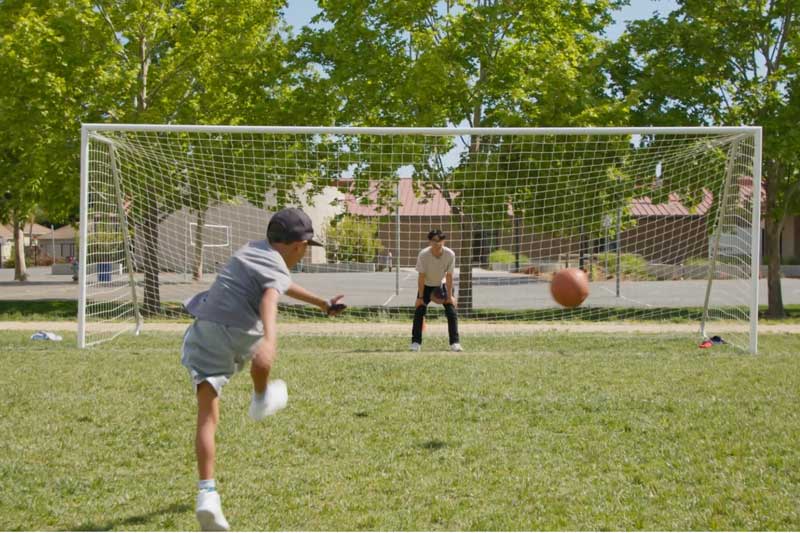
Luke was born with tetralogy of Fallot.
Exercise is for everyone
Physical activity has many benefits and should be a regular part of life for nearly everyone. This includes most people with congenital heart disease. Research has shown that routine, moderate exercise is safe and can be beneficial for people with CHD and complex CHD.
Check with a healthcare professional experienced in CHD before beginning an exercise routine about how to get started safely. Some people with CHD need more cautious or personalized exercise recommendations. Your healthcare team can guide you to the safest activities for your health. They may advise an exercise test to help determine your safe exercise limits and the types and levels of activities that are right for you.
Most children with relatively simple congenital heart defects who have had successful catheter-based or surgical repair can do many, and in some cases all, types of physical activities. Other children may have heart conditions that require some activity restrictions. Patients with pacemakers or implantable cardioverter defibrillators may need to avoid activities that increase the risk of direct impact to the device or leads.
Patients who are taking anticoagulants (drugs that reduce blood clotting) should also use caution. They should check with their cardiologist about physical activity and sports participation, especially with contact or high-impact sports.
Adults with CHD can participate in competitive sports after a full evaluation by their care team and shared decision-making and assessment of the risks and benefits.
Which exercises are OK?
You can support your heart health with aerobic activities, also called endurance or cardio activities. They raise your heart rate and breathing. Examples include:
- Brisk walking
- Swimming
- Biking
- Jogging
- Cross-country skiing
- Hiking
- Dancing
A good rule to follow is to increase your activity so you breathe hard and fast but can still talk. This is generally moderate-level exercise. With vigorous intensity, you usually are working too hard to talk.
For more health benefits, adults who are cleared to do so should also do muscle-strengthening activities that involve all major muscle groups. Be sure to discuss your best options for strength training with your healthcare professional.
Flexibility exercises are recommended to improve the range of motion in your joints. These can be done during your warm-up and cool-down.
With any exercise, be sure to:
- Warm up first
- Gradually increase activity
- Cool down as you approach the end of the exercise period

Victoria was born with an atrial septal defect and a hole in her heart.


