Pulmonary Valve Stenosis and Congenital Defects
Quick Facts
- Pulmonary valve stenosis is a narrowing of a valve between the heart and lungs.
- It is a common type of heart defect present at birth.
- Some cases need to be treated with a procedure or surgery.
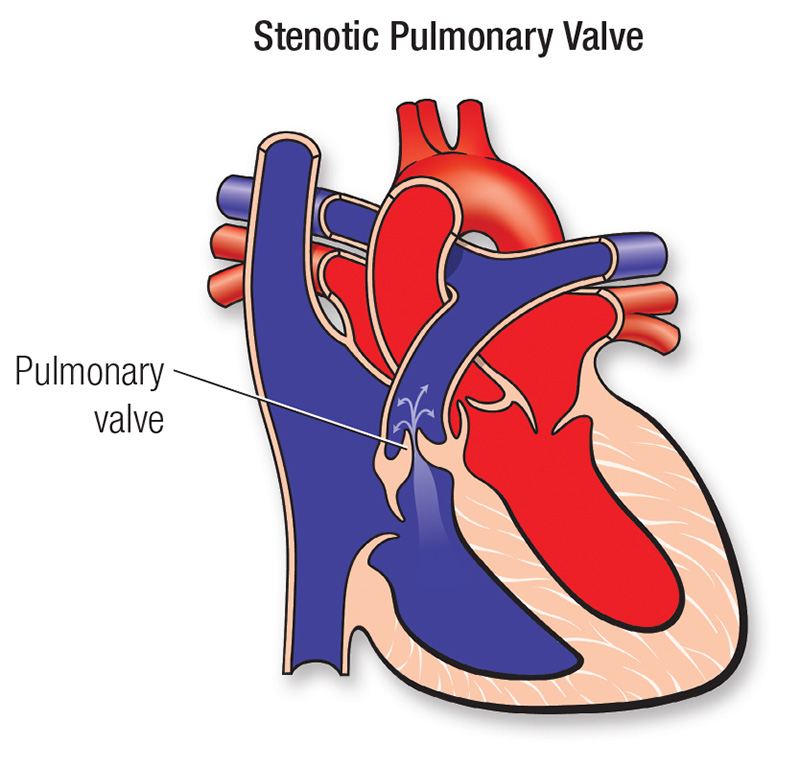
What is pulmonary valve stenosis?
The pulmonary valve lets blood flow from the right side of the heart to the lungs. When this valve is narrow, the heart must work harder to push blood through it. This is called pulmonary valve stenosis.
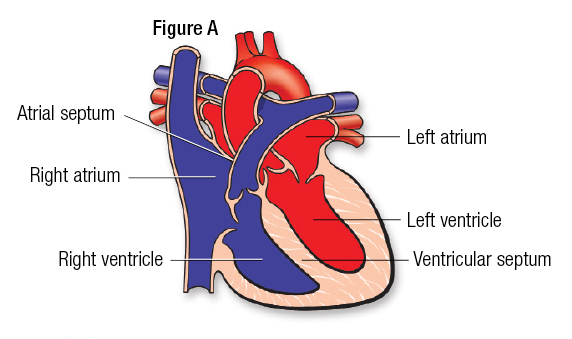
The heart has four chambers. The upper two chambers are the atria, and the lower two are the ventricles (Figure A). The chambers are separated by a wall of tissue called the septum. Blood is pumped through the chambers, aided by four heart valves. The valves open and close to let the blood flow in only one direction.
See heart valve illustrations and animations.
What causes pulmonary valve stenosis?
In most cases, the cause is not known. It is a common type of heart defect present at birth. In rare cases, pulmonary valve stenosis is associated with rubella (German measles) infection during pregnancy. It can also occur with other heart defects.
How does pulmonary valve stenosis affect the heart?
Normally, the right side of the heart pumps blood to the lungs.
With pulmonary valve stenosis, pressure builds up in the right lower chamber (right ventricle). The heart must work harder to push blood through the narrow valve. Over time, this can cause the right ventricle to become thicker or work harder than normal.
If the valve also leaks (pulmonary regurgitation), the right ventricle can become enlarged over time.
If the stenosis is severe, especially in babies, the skin may look blue (cyanosis). Older children often have no symptoms.
How is pulmonary valve stenosis treated?
Treatment can improve blood flow through the valve and often provides excellent long-term results. Still, the valve may not work exactly like a normal valve.
Treatment is needed if pressure in the right ventricle is high, even if there are no symptoms.
Most children can be treated during cardiac catheterization with a procedure called balloon valvuloplasty. A catheter with a balloon is placed in the valve. The balloon is briefly inflated to open the valve.
Some children may need surgery.
Pulmonary valve stenosis in children: What families need to know
What activities can my child do?
If the narrowing is mild or has been treated, your child can usually take part in normal activities without special limits.
What will my child need in the future?
Most children do very well after treatment. Many do not need long-term medications or other procedures, although some may need more treatment later in life.
Your child’s pediatric cardiologist will check them from time to time to make sure the valve is still working well.
What about preventing endocarditis?
Ask your child’s doctor about their risk for endocarditis, an infection of the heart. Some children who have had valve replacement may need antibiotics before certain dental procedures. See the Endocarditis section for more information.
Pulmonary valve stenosis in adults: What to expect
If the narrowing is severe, adults may have chest pain or may not be able to exercise as much. Some people have no symptoms.
Blue skin, or cyanosis, is rare and usually only happens if there is an atrial or ventricular septal defect as well.
Which repairs might be done as an adult?
The valve can be treated to improve blood flow, but it may not work exactly like a normal valve.
Treatment is needed if pressure in the right ventricle is high, even if there are no symptoms.
Most people are treated during cardiac catheterization with a procedure called balloon valvuloplasty. A catheter with a balloon is placed in the valve. The balloon is briefly inflated to open the valve.
Some people need surgery if the valve cannot be opened this way.
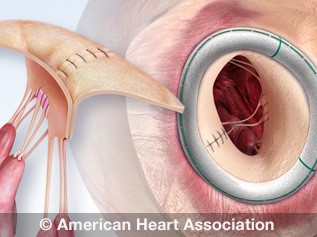
View an animation of valvuloplasty.
Which activities can I do?
If the narrowing is mild or has been treated, you can usually take part in normal activities without special limits.
What will I need in the future?
Most people do very well after treatment. You may not need medications. However, lifelong follow-up is important because the valve can narrow again or develop leakage over time.
Your cardiologist will check you from time to time to make sure the valve is still working well.
Ongoing Care
Medical follow-up
Everyone with pulmonary valve stenosis should have regular care to check for symptoms or problems. People with more severe disease or prior treatment may need more frequent monitoring.
If the narrowing is mild or moderate, you will still need checkups. Your cardiologist will watch for signs that your heart is working harder than normal.
Before any non-heart-related surgery or procedure, talk with a cardiologist who cares for adults with congenital heart disease.
Activity Restrictions
Many people with mild or moderate pulmonary valve stenosis can participate in physical activity without major restrictions. Recommendations should be individualized by their cardiologist.
If your narrowing is severe, you may need to limit your activity until the valve is treated. This helps reduce the strain on your heart.
Talk with your cardiologist about what activities are safe for you.
Endocarditis Prevention
You usually don’t need antibiotics to prevent endocarditis unless you've had endocarditis before or have had valve replacement. Talk with your cardiologist about your risk. See the Endocarditis section for more information.
Symptoms
If your narrowing is mild, you may not have any symptoms.
If it’s moderate or severe, you may get tired more easily or feel short of breath. You may also notice a racing heartbeat, chest pain, dizziness or fainting, especially during exercise.
Pregnancy
Most people with mild or moderate pulmonary valve stenosis do well during pregnancy.
If it is severe, the pregnancy may be higher risk. Your cardiologist should be involved in your care during your pregnancy and delivery.
See the Pregnancy section for more information.
Will I need more procedures?
After treatment, the valve may leak. This is known as pulmonary regurgitation.
If this causes symptoms or affects how your heart works, you may need surgery to replace the valve.
If the valve narrows again, a catheter procedure may be done to open it.


