CPR Can Save a Woman's Life
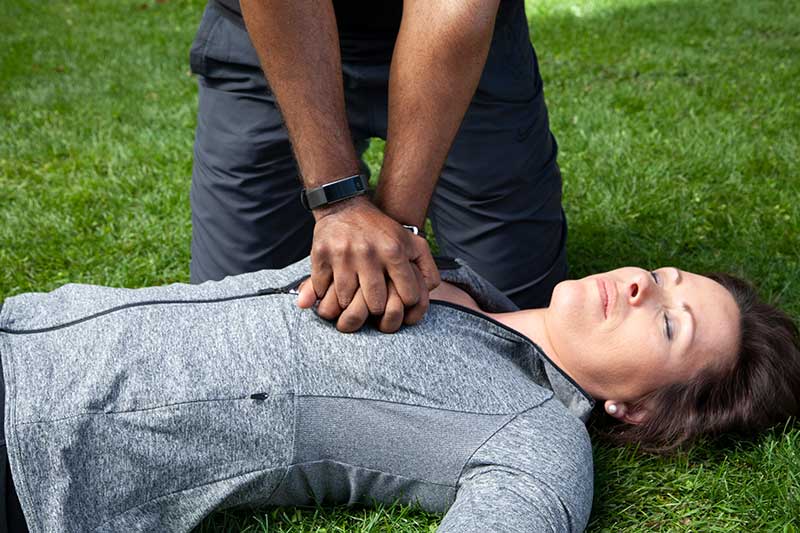
Sudden cardiac arrest is a leading cause of death, with nearly 436,900 cases occurring every year in the United States. More than 90% of people who suffer an out-of-hospital cardiac arrest die.
Despite tremendous improvement in CPR and first responder defibrillation, other factors like women who have a cardiac arrest tending to be older and living alone, and unfounded fears may cause bystanders to hesitate to perform CPR on a woman.
Bystanders may hesitate to perform CPR on a woman because of:
- Fear of being accused of inappropriate touching or exposure
- Fear of causing physical injury
- Poor recognition of women in cardiac arrest — specifically a perception that women are less likely to have heart problems
- The misconception that a woman’s breasts make CPR more challenging
But the chances of injury from CPR are generally low, and legal action is unlikely because variations of Good Samaritan laws offer some protection in all 50 states.
Performing CPR on a woman versus a man
Experts say superficial physical differences may lead people to assume chest compressions must be performed differently on men and women, which is not true.
If someone needs CPR, it’s important to act fast.