Hunter Appleton's CHD Story
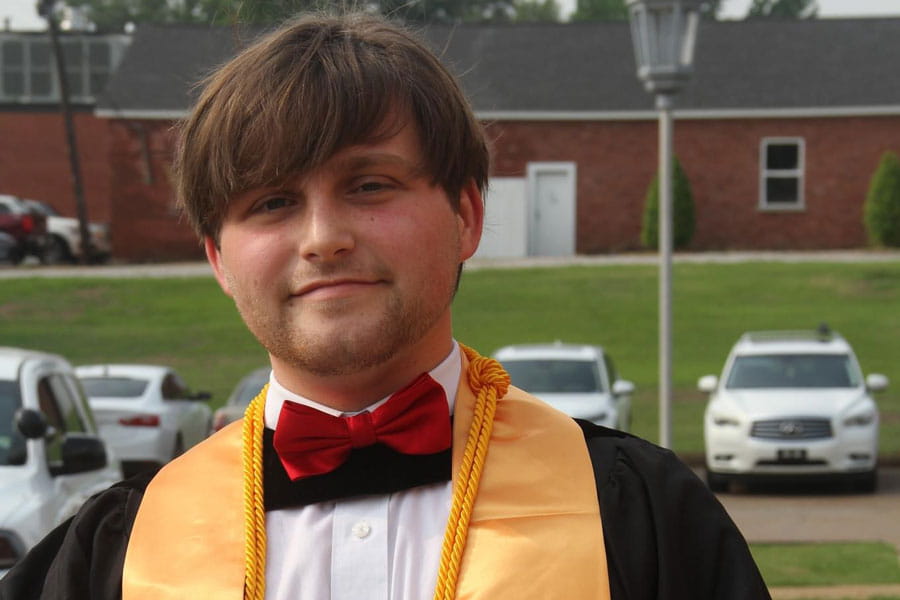
Hunter was born with a coarctation of the aorta and overcame spine damage during open-heart surgery as a child. Today, he is studying to become a pediatric cardiothoracic surgeon.
Hunter Appleton juggles classes, campus activities and research projects as a senior at Mississippi State University. At 22, he has come a long way since being born with congenital heart disease and fearing he would never walk again due to spine damage during open-heart surgery.
Those childhood health struggles are now his greatest source of motivation.
“It’s very surreal I went through that and have come out on the other side,” said Hunter, who is earning a degree in biochemistry with a minor in pre-medical sciences. “I want to show not only other children, but also their families, that a diagnosis of congenital heart disease (CHD) isn’t the end-all, be-all. I want to show them there is someone who has taken that diagnosis and turned it into something good.”
Hunter was 18 months when he was diagnosed with coarctation of the aorta, a congenital heart defect where a narrowing in the aorta restricts blood flow. He had heart catheterization, but during the procedure, his heart stopped beating twice.
Then, during open-heart surgery at age 3, his care team discovered 75% blockage of his aorta. Surgeons accessed the aorta by making an incision below his shoulder blade and reaching the heart from the back. The surgery was deemed successful, but when Hunter woke up, he couldn’t move his legs because of spinal cord damage during surgery. His parents were told he would never walk, run or ride a bike.
“Even at 3 years old, I refused to accept that as my future,” he said. “I had a spark inside me that refused to go out, and so we began the climb.”
Hunter endured four years of physical therapy, and he used walkers and braces on his legs. When he was able to walk again without assistance, his feet turned outward, placing extreme pressure on his ankles. He had multiple orthopedic surgeries in which his femurs and ankles were broken and reset, held together with plates, pins and screws. Later, surgeries removed the hardware when bone growth took over.
Overcoming these physical limitations was challenging during his grade school years when classmates had more stamina and started playing sports. He describes the feeling of being left out by peers as one of the “quiet, internal battles CHD survivors carry.”
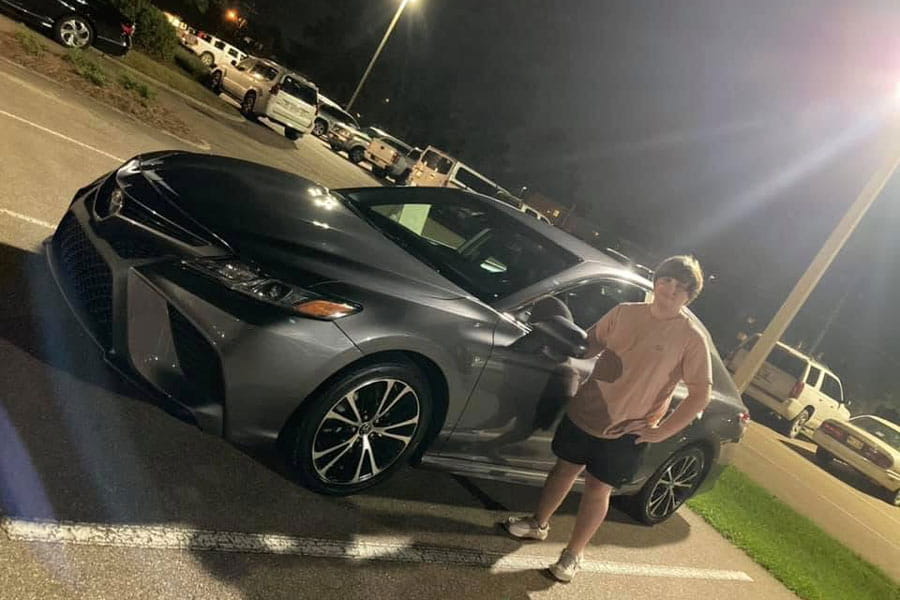
Hunter and the first car he purchased himself as a senior in high school.
“When you are a child and suffer from heart conditions, you are looked at differently by other kids,” he said. “You get used to the feeling of ‘we can’t include you in this.’ I couldn’t do athletics like the other kids, so I spent more time on academics.”
That work ethic led Hunter to pursue becoming a pediatric cardiothoracic surgeon.
“I use my struggles to push me to find a cure for heart disease so other kids don’t have to go through what I went through,” he said.
During college, Hunter worked in the Physical Activity and Wellness Lab, where he contributed to research projects involving physical activity in college students and marching band members. He is also leading a research project aimed at understanding childhood heart disease risk factors. It involves studying the effects of obesity vs. non-obesity on physical activity levels and arterial stiffness in children ages 9-15.
“This research matters deeply to me because I am contributing to a field I will one day enter as a physician,” he said. “Identifying markers and figuring out treatments while children are still at a stage of life where early intervention can change outcomes is critical.”
Hunter said he’s never met anyone else with his condition, and most people are shocked to hear about what he overcame.
“People have told me they would never have known that I was told I wouldn’t be walking now,” he said. “I’ve had some people call me a walking miracle.”
Navigating life with congenital heart disease has come with some surprises. His biggest challenges are the lingering physical complications from his surgeries. He still has nerve damage, and one leg is shorter than the other, which causes hip pain and fatigue. Other than his yearly follow-up appointment with his cardiologist, he has no other health restrictions. It’s a positive outcome that he hopes will inspire others.
“I did not let my diagnosis define me,” he said. “I learned very young that healing is not something that happens to you but something you fight for. I also learned that scars are not just reminders of pain. They are proof of survival. Most of all, I learned empathy and know what it feels like to be a child in a hospital bed wanting to be ‘normal’ but to have a body that has been through more than it should.”


